

Developmental psychology studies how people change across the lifespan, not only how children grow. It examines the interaction of body, thinking, emotion, relationships, and environment, helping readers understand both common patterns and individual differences. Its most useful insight is that development is ongoing, contextual, and rarely a simple straight line.
Key insights about development across life
- Human development includes physical, cognitive, social, and emotional change.
- Age can shape what is more likely, but it does not determine an individual's path.
- Relationships, culture, health, and life events influence how abilities and patterns unfold.
- Growth can involve gains, losses, stability, and adaptation at the same time.
- Understanding change requires looking at a person in context, not judging them against a single timetable.
What developmental psychology studies across the lifespan
Developmental psychology investigates how people grow and adapt from prenatal life through old age. The American Psychological Association's overview describes a broad field that includes physical, intellectual, perceptual, personality, social, and emotional development.
These dimensions are connected. A child who gains language may find it easier to express frustration; a new social role can reshape an adult's identity and routines. Development therefore means more than acquiring skills. It includes changes in how people interpret experience, relate to others, and respond to demands.
Researchers study both changes within a person over time and differences between people. The lifespan perspective also cautions against treating adulthood as a finished state. The APA definition of lifespan development emphasizes that development is shaped by interacting influences and is not all explained by chronological age.
How do physical, cognitive, and emotional changes interact?
Developmental domains influence one another, so a change in one area can affect daily life in several others. Physical maturation may alter energy or coordination; cognitive development may change planning and problem-solving; social-emotional development shapes attachment, identity, and emotional regulation.
For example, when a school-age child struggles with a puzzle, the challenge is not only cognitive. The child may also be managing frustration, asking for help, and learning what supportive collaboration feels like. Observing these interactions gives a fuller picture than labeling the child as simply “good” or “bad” at puzzles.
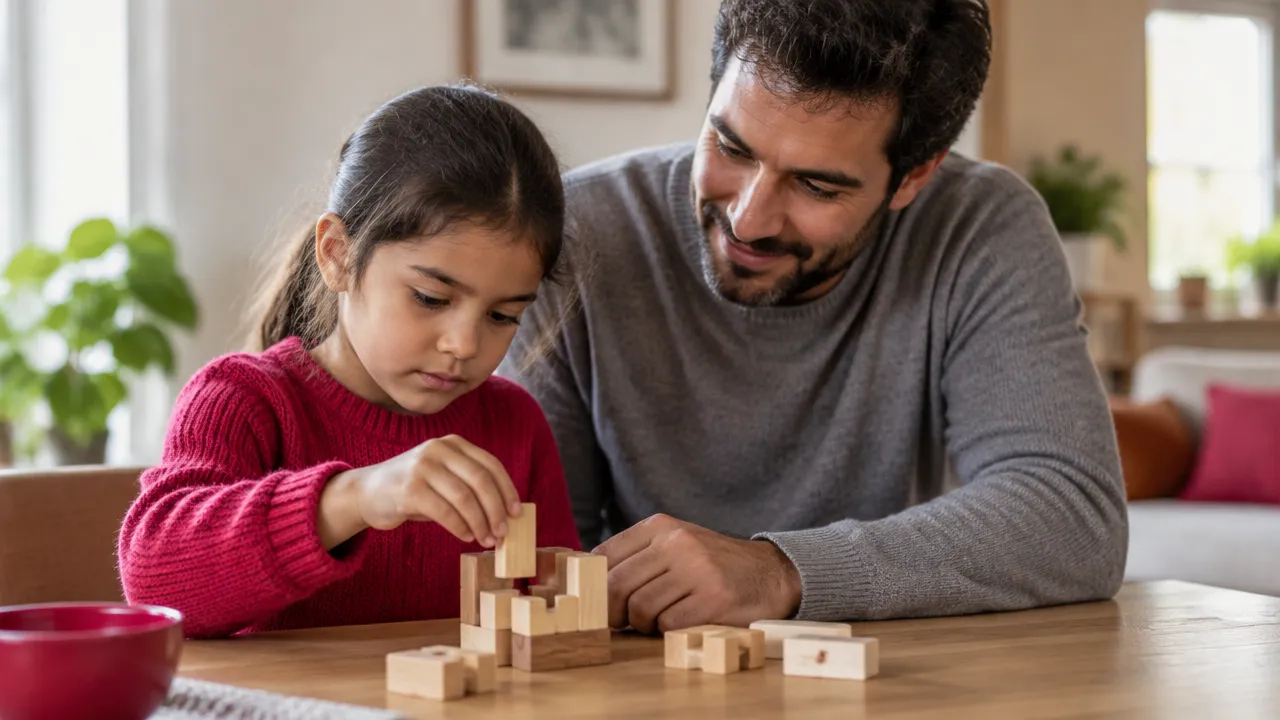
In early childhood, responsive exchanges with caregivers can support communication and social learning. Harvard's Center on the Developing Child explains how back-and-forth caregiver interactions contribute to early development. This is one reason developmental research considers relationships and surroundings alongside biology.
Why life stages are useful, but not fixed deadlines
Life-stage models help organize recurring developmental tasks, but they should not be mistaken for a universal schedule. Infancy, childhood, adolescence, adulthood, and later life describe broad periods, while individual timing and experience vary.
Theories associated with researchers such as Jean Piaget, Erik Erikson, and John Bowlby offer different lenses on thinking, identity, and relationships. They can help generate questions, but no single model explains every person or culture. Use a stage framework as a map of possible patterns, not as a test that declares someone behind or complete.
This distinction matters in real life. A transition such as becoming a caregiver, changing careers, or navigating loss may prompt learning and reevaluation at many ages. Reflecting on inner clarity during life transitions can help separate what is changing from what remains important.
How do people change in adulthood?
Adults continue to develop through relationships, responsibilities, learning, and deliberate reflection. Change may involve strengthening a skill, revising a long-held assumption, or responding differently to a familiar emotional trigger. It can be gradual, uneven, and influenced by the conditions a person lives within.
For instance, someone who once avoided difficult conversations may begin to pause, name what they feel, and communicate a boundary. The shift is not proved by one successful conversation. A more useful measure is whether the person can repeat the response across situations, notice setbacks, and take responsibility for the impact on others.
That process calls for patience rather than quick-fix promises. Practical reflection on emotional maturity in daily life can help turn an intention into a more consistent pattern.
How to use developmental psychology without turning it into a label
Developmental knowledge is most useful when it supports understanding, not comparison or blame. A milestone can guide a question, but it cannot by itself explain why a person behaves a certain way or predict their full potential.
- Notice patterns across time, rather than drawing conclusions from one moment.
- Consider context, including relationships, culture, health, stress, and opportunity.
- Distinguish an expected developmental variation from a concern that deserves professional assessment.
- Ask what support or conditions might make a new skill easier to practice.
- Review whether a change is consistent with a person's values and its effects on others.
Developmental psychology offers a framework for asking better questions: what is changing, under what conditions, and with what consequences? Personal growth becomes more grounded when reflection leads to observable choices and sustained action, rather than a label or promise of instant transformation.
Frequently asked questions
What does developmental psychology study?
Developmental psychology studies how people grow, adapt, and change from before birth through old age. It examines physical, cognitive, emotional, social, and personality development, as well as how biology, relationships, culture, and experience shape different pathways over time.
What are the main areas of human development?
The main areas are physical development, including the body and brain; cognitive development, including language, memory, and reasoning; and social-emotional development, including relationships, identity, and emotional regulation. These areas interact, so a change in one can influence the others.
What are the stages of child development?
Child development is often described through infancy, toddlerhood, early childhood, middle childhood, and adolescence. These labels help organize common patterns, but they are not strict deadlines. Children reach milestones at different times, and their abilities are shaped by health, relationships, culture, and individual circumstances.
What is cognitive development?
Cognitive development is the growth and change of skills used to think, learn, remember, communicate, and solve problems. It begins in infancy and continues across life. Development does not mean every skill improves at the same rate, or that later change is impossible.
Can adults still change and develop?
Yes. Adults continue to learn, adapt, and revise habits, roles, and ways of relating. Development may look less like rapid acquisition of basic skills and more like responding to new responsibilities, relationships, losses, opportunities, or deliberate practice. The pace and form of change vary between people.