
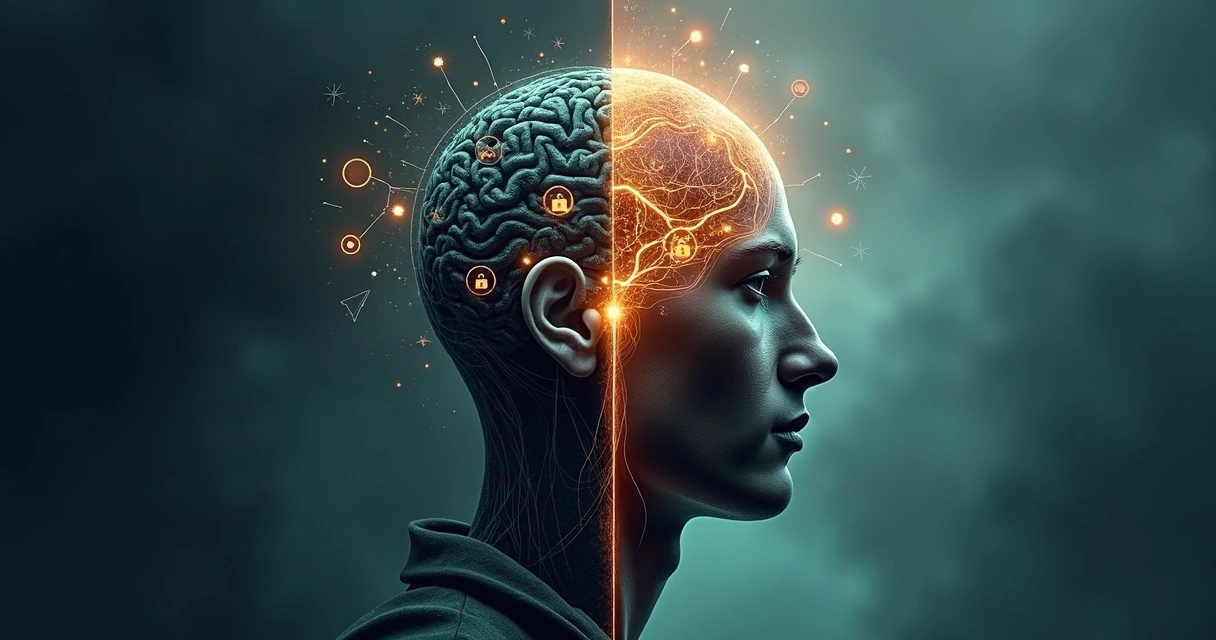
Few topics have shaped how we think about growth and change like the idea of mindset. From workplaces to schools, the terms “growth mindset” and “fixed mindset” are everywhere. But what do they really mean today? And what discoveries are reshaping our view as we look to 2026? In this article, we share our experience, address the most persistent myths, and dive into the latest research to answer these questions and more.
The basics: Growth and fixed mindsets defined
In plain terms, a growth mindset is the belief that skills, intelligence, and abilities can develop through dedication, learning, and effort. By contrast, a fixed mindset is the idea that our qualities are set in stone, largely determined at birth and beyond much change. This difference in thinking shapes not only our attitude toward challenges but how we react to setback and success.
People with a growth mindset see obstacles as invitations to stretch, learn and evolve, while those with a fixed mindset often see limits and risks as proof of personal shortcomings. Over the years, these views have been linked to motivation in school, resilience at work, and even our sense of self-worth.
What science really shows: Myths, updates, and complexity
It is tempting to pick a side and stick to it, labeling ourselves and others. But real life is never so simple. Over the past years, fresh research has brought more clarity—and shown us the risk of getting lost in buzzwords.
Mindset is not just a label. It is a strategy for meeting life with curiosity, responsibility, and action.
The myth of “pure” growth or fixed mindsets
One of the biggest myths is that people have only one type of mindset, always. In our experience, most of us hold a mix of growth and fixed beliefs depending on the situation. We may feel open to learning in our careers, for example, but fixed when it comes to relationships or emotional skills.
No one is always fixed or always growing; we are all works in progress, shaped by context, patterns, and past habits.
Why quick fixes do not work
Many believe that simply “telling” someone to adopt a growth mindset sparks deep change. Yet science in 2026 is clear: lasting transformation demands consistent practice, real reflection, and emotional maturity. Cosmetic changes in language may feel good short-term, but genuine shifts run much deeper.
For those who want to commit to true evolution, we encourage exploring resources related to personal growth and self-knowledge. These paths require patience and honesty.
The role of environment and relationships
Another myth: mindsets are entirely personal. Growing evidence shows how our family, peers, leaders, and culture affect how we see ourselves and what we believe is possible. Our environment often guides which mindset takes over in different moments. This means that nurturing a conscious context is as key as nurturing habits of thought.
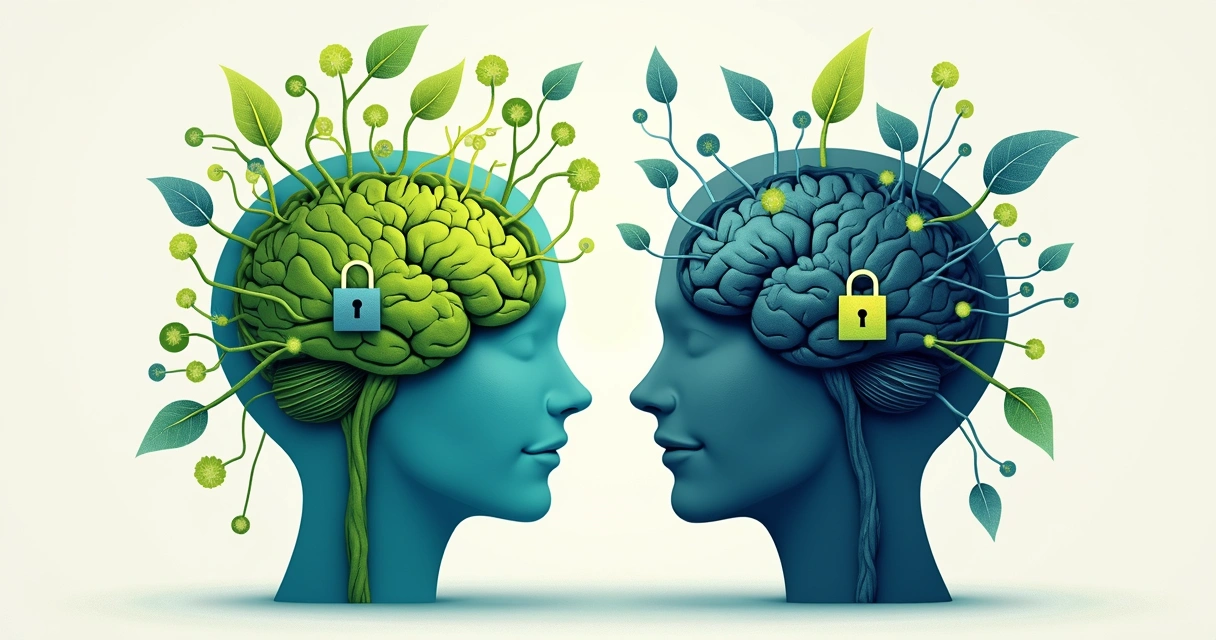
Beyond the labels: Mindset as a conscious process
Through decades of teaching and coaching, we have seen, time and again, that true change happens when mindset becomes an ongoing process, not a single “state.” This means:
- Checking our beliefs about self and growth regularly
- Making mindful choices, especially in the face of fear or failure
- Noticing internal patterns that keep us stuck
- Owning the impact of our choices—inward and outward
Instead of fighting to maintain a “perfect” mindset, we discover more when we stay open, honest, and curious with ourselves.
Recent breakthroughs: What 2026 research adds
By 2026, studies on neuroplasticity, trauma, and mindset have given us richer tools and more realistic hopes. Three findings stand out:
- Emotional safety fuels growth. When people feel seen, valued, and able to risk mistakes without shame, they are more likely to adopt growth thinking. This moves the focus from “motivate yourself” to “build strong, safe relationships." For more about this idea, exploring the topic of emotional maturity can be helpful.
- Mindset can shift over time—and even revert. Life setbacks, trauma, or social stress can pull us toward fixed thinking. Growth mindset needs updating and maintaining, much like fitness or health.
- Purpose and meaning matter. Growth mindset is stronger and more sustainable when linked to a deeper purpose—more than just chasing praise or avoiding failure.
Real change lies in consistently aligning intention, action, and impact.

Mythbusting: Common misconceptions for 2026
Our readers continue to bring us tough questions and challenge old assumptions. Here are several beliefs we see often—and what we have found instead:
- You either have a growth mindset or you do not. Mindset is not fixed, but context-sensitive and shaped by practice.
- Just thinking positively is enough. Growth mindset needs honest effort, feedback, and willingness to learn from discomfort.
- Mindset only matters for school or work. Every area of life is touched by our beliefs about growth, including health, relationships, and creativity.
- Change means ignoring weaknesses. Growth mindset encourages facing weakness with patience and self-respect, not denial or avoidance.
For deeper understanding, we keep updating our consciousness research and insights on how to examine these beliefs in daily life.
How to cultivate a growth mindset for the future
Growth happens when we embrace:
- Curiosity over certainty
- Effort over shortcuts
- Reflection over blame
- Responsibility for the effects of our choices
When working toward a shift, we suggest:
- Notice fixed thoughts as signals to pause and look deeper, not as failures
- Build support with people who respect growth and real learning
- Regularly connect with your reasons for wanting to grow
- Update your strategies as new research and experiences guide you
We believe reading examples from other authors can widen your view, so reviewing articles by our team adds fresh insight from collective experience.
Growth mindset in 2026: What we still need to learn
The push to define mindset and draw lines between “types” has given way to a larger truth: mindset itself is not the goal.
The goal is conscious, steady growth—supported by reflection, emotional maturity, and alignment between intention and action.
As we head further into 2026, we believe the real challenge is not “choosing the right mindset," but building habits and environments that support growth for ourselves and each other.
To follow this journey, we encourage staying curious, aware, and grounded in your own experience.
Conclusion
Growth and fixed mindsets remain powerful ways to understand human potential, but no label tells the whole story. Our learning from decades of study and coaching is simple:
Growth is a practice, not a personality trait.By connecting reflection, community, and action, we move closer to real and lasting transformation—no quick fixes, but plenty of hope.
Frequently asked questions
What is a growth mindset?
A growth mindset is the belief that skills and intelligence can be developed through effort, learning, and practice. People with this approach see challenges as chances to learn, rather than threats to self-worth.
How is fixed mindset different?
A fixed mindset is the belief that your qualities are set and unchangeable, so success or failure feels like a verdict on your true value. This view can keep people from taking healthy risks or learning from their mistakes.
Can mindset change over time?
Yes, mindset can and does change over time. Research and experience show that environment, feedback, and conscious practice can help shift beliefs about what is possible. Even with setbacks, people can restore and strengthen a growth mindset.
Is growth mindset proven to work?
There is evidence that practicing growth mindset can help improve resilience, motivation, and learning. Yet, lasting change usually happens with consistent support, open feedback, and safe environments—more than from mindset alone.
What are common growth mindset myths?
Some common myths include the idea that growth mindset is natural for everyone, that just thinking positively is enough, or that it only matters at work or school. Mindset is a process that requires continuous self-reflection, honest effort, and supportive connections.