
Why do we react to some situations as if on autopilot? Why do certain choices feel natural, while others cause conflict or anxiety? In my experience as a coach and lifelong student of human development, I've seen that many of our most impactful choices do not come from conscious reasoning, but from layers quietly influencing us beneath awareness. These are our unconscious beliefs, and they shape not just how we think, but how we live.
Hidden beliefs guide your actions more than you realize.
Understanding unconscious beliefs
Unconscious beliefs are mental patterns and assumptions formed early in life or reinforced by repeated experiences. Often, we absorb them from family, culture, or formative events, without ever choosing them directly.
I have repeatedly seen, both in myself and those I support, how these beliefs can shape self-image, relationships, money attitudes, and even health. They are not usually noticed until we run into inner resistance: patterns that do not serve us, yet seem impossible to change.
Unconscious beliefs can be powerful drivers of our decisions, often leading us away from conscious intention. On the Conscious Mindset Coach project, this is a recurring topic—since real growth starts with seeing ourselves clearly.
Signs your decisions are being shaped unconsciously
It is not always obvious when deep beliefs are in charge. Sometimes, the clues show up subtly, shaping how we react, plan, or avoid certain paths.
- Repeating life patterns, even when you try to break them
- Feeling emotional triggers in similar situations
- Difficulty achieving goals that seem reasonable
- Choosing safe or familiar routes, even if unsatisfying
- Explaining outcomes as “just who I am” or “just how things go”
Personally, I have noticed my own hidden beliefs most when I keep ending up with the same results, despite changing my conscious strategy.
Common areas shaped by unconscious beliefs
From what I have seen, most people’s hidden beliefs tend to collect in a few core areas:
- Self-worth: “I am not enough.”
- Deservedness: “I can't have what I want.”
- Trust: “People will let me down.”
- Success: “It’s too risky to try.”
- Love: “Vulnerability brings pain.”
If you keep bumping against invisible limits in any of these areas, it’s likely there’s an unconscious belief influencing you.
How to identify your unconscious beliefs
Spotting unconscious beliefs takes honesty and patience. In my practice with Conscious Mindset Coach, I have developed and used several methods that open these hidden layers to gentle inspection. Some of these you can do on your own, others might benefit from structured guidance.
Start by observing patterns
Notice recurring situations, especially those with strong emotion. What happens just before you feel anger, fear, or shame? What choices are present in that moment?
A useful journaling prompt I return to myself:
What kinds of events do I keep repeating, despite wanting a different result?
Listen to your inner dialogue
The words we say to ourselves are strong clues. Pay attention to sentences like:
- “I always mess this up.”
- “People don’t really listen to me.”
- “It’s never safe to trust.”
These scripts often repeat beliefs that started in childhood, later running without permission.
Examine emotional intensity
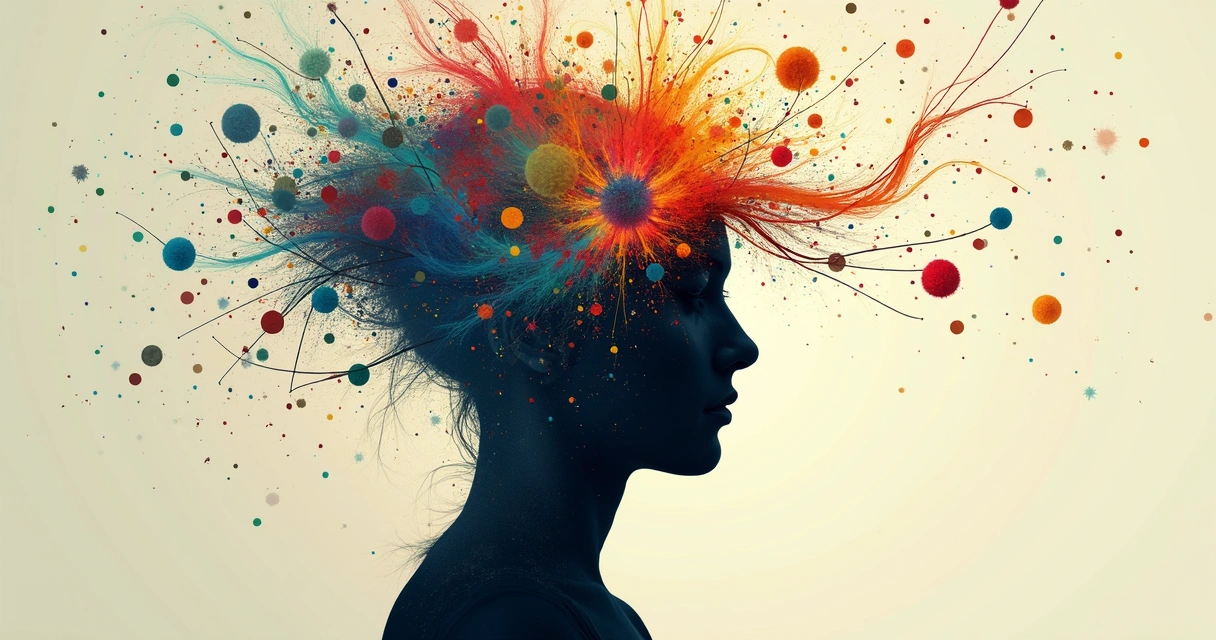
Unconscious beliefs often create outsized emotions. You might notice you overreact or shut down in certain situations. As uncomfortable as these moments feel, they are openings to deeper understanding.
When an emotional response feels bigger than the moment calls for, it likely points to an unrecognized belief. Pause and ask what meaning you’re automatically assigning to the situation.
Redo your “why”
I use the “Five Whys” approach. When faced with a behavior or reaction you want to understand, ask yourself “Why?” then answer, and repeat four more times. The real belief usually surfaces after the first few responses.
For example:
- Why am I afraid to ask for help? I might look weak.
- Why is that bad? I think people will judge me.
- Why would they judge? I don't seem competent.
- Why is it important to seem competent? Because then I am valued.
- Why do I need to be valued? I fear being rejected otherwise.
This can reveal a belief like, “To be accepted, I must never need help.”
Practical steps to uncover and change unconscious beliefs
After years of coaching and reflection, I have found that practical steps—repeated with kindness—work best for surfacing and transforming beliefs:
- Track your reactions: Keep a simple log for a week. Every time you notice a strong emotional reaction or repeated outcome, write down:
- Situation
- Feeling
- Your first automatic thought
This will show patterns connected to deeper beliefs.
- Challenge the belief: When you spot a repeating thought, gently question it:
- Is this true, always?
- Did I choose this, or did it come from somewhere else?
- What would I do if I didn't hold this belief?
Asking these questions loosens the grip of old beliefs and welcomes the possibility of new ones.
- Replace or update gently: I suggest not forcing positive statements that feel fake. Instead, try finding a shift that feels possible: “Sometimes I get things right,” or, “It’s possible people could accept my help.”
The role of consciousness and personal responsibility
The Conscious Mindset Coach project is based on the idea that true change does not happen quickly or by ignoring responsibility. We must acknowledge the beliefs guiding us, then consciously choose how we want to live instead.
Lasting transformation rests on three pillars:
- Awareness: Noticing old patterns
- Clarity: Naming what we find
- Action: Practicing new beliefs until they grow strong
If this interests you, topics like consciousness, self-knowledge, or personal growth can help your process much further.

Breaking free and reorganizing from within
Everything I have learned about sustainable transformation has taught me to respect the process. Unconscious beliefs will not disappear overnight, nor should they be forcibly erased. They once served a purpose—perhaps to protect us in childhood. But as adults striving for conscious growth, we can question, update, and grow beyond our inherited patterns.
Transformation begins with the courage to look within.
If you are ready to find balance and coherence between your intentions, actions, and the effect you have on your world, continue your journey with us at Conscious Mindset Coach. Step into a space where deep change is not just possible, but welcomed with honesty and respect for your path.
Nothing is more powerful than self-responsibility and the genuine care to know yourself deeply. For further reflection, you can look into topics like emotional maturity or see how broader systemic change impacts personal growth. Change truly begins within.
Frequently asked questions
What are unconscious beliefs?
Unconscious beliefs are automatic thoughts, assumptions, and emotional patterns usually formed early in life and operating outside of everyday awareness. They often come from family, culture, or repeated personal experiences and influence how we act, feel, and relate to others.
How can I spot my unconscious beliefs?
To spot your unconscious beliefs, start by noticing repeating emotional reactions, difficult patterns in your life, and persistent thoughts that come up in certain situations. Journaling, questioning your inner dialogue, and using self-inquiry methods like the “Five Whys” can reveal beliefs you didn’t realize you held.
Why do unconscious beliefs affect decisions?
Unconscious beliefs affect decisions because they work as filters, shaping how we interpret situations, what choices seem safe, and which risks we avoid—often without us realizing it. These beliefs set the limits on what feels possible, whether or not those limits are truly real.
How to change limiting unconscious beliefs?
Changing limiting unconscious beliefs starts with awareness. Notice your patterns, reflect on their origins, and gently question if they are still useful or true. With conscious attention and new experiences, you can gradually update or replace beliefs that do not match who you wish to become. Patience and regular practice are key.
Are unconscious beliefs always negative?
No, not all unconscious beliefs are negative. Some support positive actions, protect us, or align with our goals. The challenge comes when an unconscious belief restricts growth, creates suffering, or no longer fits your current life. Then, it becomes valuable to bring it into awareness and choose consciously whether to keep, change, or release it.