

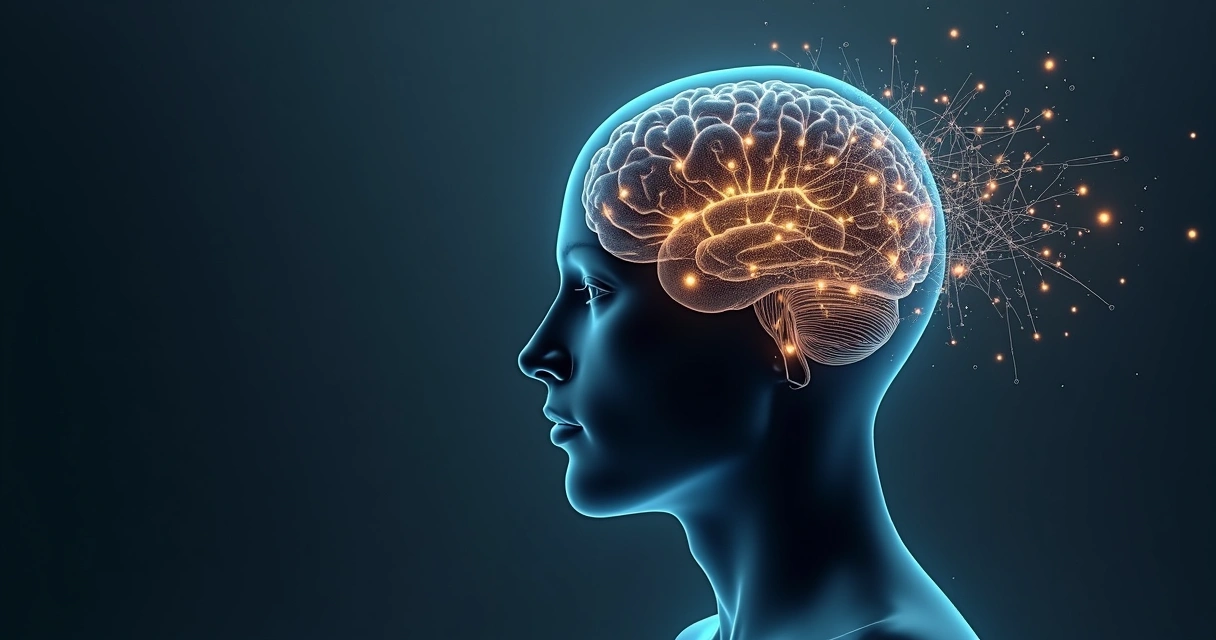
Why do people sometimes seem stuck in old patterns, even when they want to change? The answer has a lot to do with how our brains work. When we talk about changing our mindset, we are talking about changing deep-rooted patterns in the brain. Neuroscience helps us understand what is actually happening inside our heads during this process, and, more importantly, shows us that real transformation is possible at any age.
What do we mean by "mindset"?
We use the term "mindset" to refer to how we interpret the world, ourselves, and possibility. Mindset includes beliefs, attitudes, and the mental shortcuts (called schemas) that guide our actions. These run in the background of daily life, shaping reactions, choices, and even how we feel about challenges.
Changing a mindset means more than just having a new thought. It means forming new pathways in the brain, so different patterns of thinking, feeling, and behaving become automatic. This is not about wishful thinking—it’s a real physical process, and neuroscience tells us how it works.
How the brain builds habits, beliefs, and mindsets
Our brains work by creating networks of connections between billions of nerve cells, or neurons. When we repeat a thought or action, the connections involved in that pattern become stronger. That old saying, "neurons that fire together, wire together", captures this reality well.
As networks strengthen, our habits and beliefs become more automatic. Every time we interpret a situation in a certain way—such as thinking, "I’ll never be good at this"—the habit grows stronger. Eventually, these patterns form a kind of mental default setting, which is what we usually call a "mindset."
Experience shapes the brain, and the brain shapes experience.
Through this principle, we can understand both the challenge and the possibility of mindset change.
What neuroscience reveals about changing mindsets
Neuroscience has shown us that the brain is not fixed. Instead, it has a property called neuroplasticity, which means it can change its structure and function throughout life. When we talk about changing a mindset, what we’re really talking about is how to use this plasticity to our advantage.
- New experiences and practices create new neural pathways. When we try new ways of thinking or behaving, we fire up different networks in the brain. Repetition strengthens them.
- Over time, if we keep at it, these new connections can become stronger than the old ones. That’s when the new mindset starts to feel natural.
- Our emotions play a huge role; positive emotions like curiosity, hope, and determination make it easier for the brain to build and keep new connections.
The most exciting lesson from neuroscience is simple: Mindsets are not fixed. They are dynamic, and they change through repeated, emotionally charged experience.
How does this change feel in daily life?
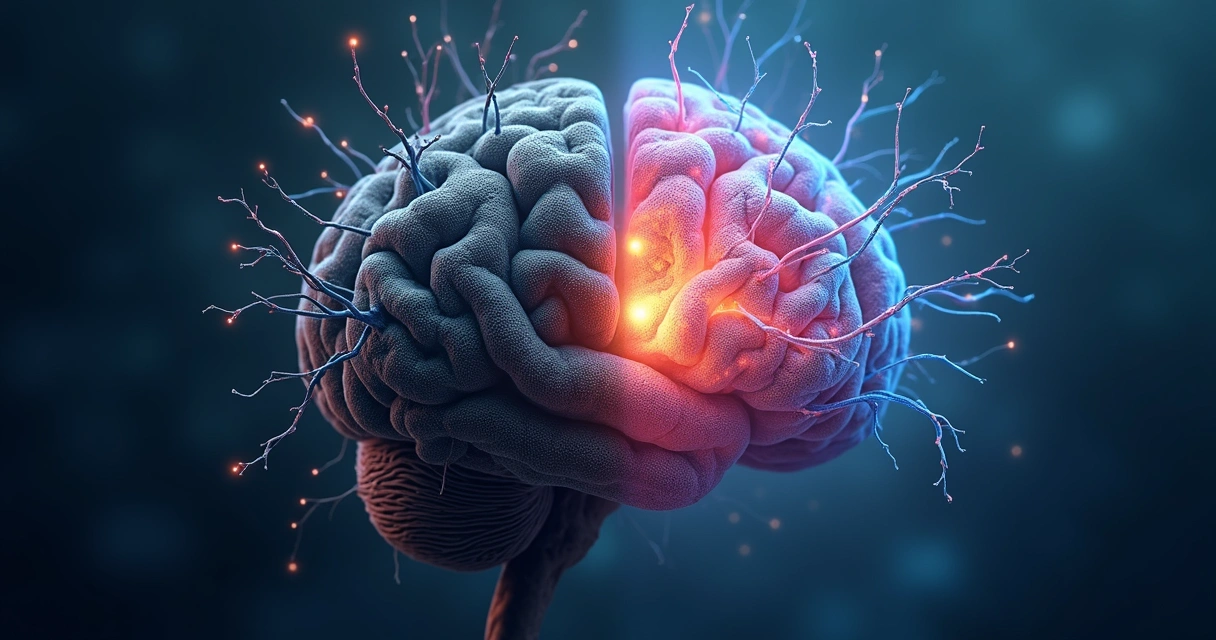
Some people expect that changing a mindset is like flipping a switch. In reality, what we see is a gradual process, marked by moments of struggle followed by small wins. The brain does not erase old patterns, but builds new routes that become favored over time.
- At first, old thoughts and emotions may pop up quickly. The urge to go back to an old habit remains strong.
- With intentional effort, new reactions appear, even if hesitantly.
- Each time we choose the new path, the brain strengthens it; over time, it becomes the easier option.
People sometimes remark, "I surprised myself" or, "I handled that better than usual." These moments signal new brain pathways becoming more active.
What supports lasting mindset change?
Real mindset change requires more than positive thinking or surface-level affirmations. According to research and real-world experience, these factors are key:
Attention: We need to notice our default responses. Awareness alone can weaken old neural loops. Emotion: Strong feelings, especially when combined with new learning, boost neuroplasticity and make change stick.Repetition: Change comes from practice after practice. The brain changes best with regular, repeated action.Along with these, a sense of purpose helps people push through the uncomfortable stage of change. When we know why we want a new mindset, we become willing to stay the course. This aligns with the idea of inner clarity and emotional maturity as drivers for transformation.
Growth feels awkward at first, but comfort follows practice.
The role of environment and relationships
Our environment matters a great deal. The cues, expectations, and reactions of those around us either reinforce old mindsets or support new ones. Neuroscience points out that social learning—direct feedback, encouragement, or even observing change in others—has a powerful effect on our brains.
Often, shifting our mindset connects with raising consciousness about influences from family, work, or society that shaped us. When we see these patterns, we gain choice: do we continue in them, or do we build something more suited to our life and values?
Common obstacles in mindset change
Why do so many people struggle to change, even when they know what they want?
- The brain prefers routine. When faced with change, it signals discomfort, making us think "this isn’t me."
- It confuses "easy" with "right." Old patterns are easy because they’re familiar, not because they work well.
- We get discouraged by setbacks, unaware that frustration is a natural part of learning. The brain grows through challenge, not comfort alone.
It's normal to feel resistance at first. In our experience, these hurdles fade as consistency builds confidence. Revisiting one’s story often helps—when we remember past victories, we find strength for new ones.

Tools for supporting a shifting mindset
While advanced brain scans and scientific studies support these ideas, mindset change always shows up in real life through simple practices. Here are steps that help solidify new neural pathways:
- Journaling: Writing about old patterns and new goals helps bring awareness to mindsets we want to change, supporting self-knowledge.
- Mindful attention: Practicing mindfulness makes it easier to notice reactions in real time, giving a window to choose new responses.
- Experimentation: Trying on new beliefs or actions in small, low-pressure situations allows us to test and strengthen new circuits without the risk of failure feeling overwhelming.
- Seeking support: Surrounding ourselves with people who encourage growth can speed up the process, as social cues reshape brain activity.
- Tracking progress: Noting personal achievements along the way gives evidence that change is working, motivating further practice.
There is a deep connection between mindset and the wider systems we are part of, a topic closely related to systemic change. Changing how we think sometimes means changing the spaces we occupy or influencing others to change with us. This makes the process richer and more sustainable.
Why sustainable transformation needs structure
For change to last, it helps to have a practical plan and ongoing commitment. Neuroscience shows us that the brain reverts to old ways without ongoing input and reinforcement. Structured practices keep us accountable and nudge the new mindset into becoming our default.
When we design routines that build on awareness, emotion, and repetition, we strengthen the brain’s pathways for growth. Scheduling times for reflection, setting reminders, and joining learning communities all help. The reward? We not only gain a more flexible and constructive perspective—we become more capable of real, measurable change. For a deeper look into personal development with these ideas, the personal growth section offers ongoing insights.
Conclusion
The neuroscience of mindset change shows us that transformation is possible for anyone, at any stage of life. Our beliefs and habits are written into our brains, but they are never fully permanent. With attention, emotion, repetition, and supportive environments, we can shape the pathways that guide our minds and actions.
In short, lasting change favors those who persist, who remain open, and who find personal meaning in their journey. The brain’s power to adapt is an invitation—not a guarantee—but one that rewards honest effort over time.
Frequently asked questions
What is a growth mindset?
A growth mindset is the belief that abilities, intelligence, and skills can be developed through practice, learning, and effort. People with a growth mindset view challenges as opportunities to improve, rather than threats to their self-worth.
How does mindset affect the brain?
Mindset affects the brain by shaping which neural pathways are used most often, making certain patterns of thought and behavior more automatic over time. When we hold a positive belief about ourselves, our reactions, motivation, and even our learning ability can improve.
Can mindset change at any age?
Yes, the brain’s neuroplasticity means that mindsets can change at any age. While habits may become more ingrained as we get older, focused effort and intentional practice always create opportunities for growth and change.
How to change mindset effectively?
To change mindset effectively, combine self-awareness, emotional engagement, regular practice, and seek support from others. Structured reflection and reminders help, and it is useful to celebrate progress rather than waiting for complete transformation.
Is it hard to change mindset?
Changing a mindset can feel uncomfortable at first, because the brain resists new patterns and prefers old routines. But with patience and persistence, it becomes easier, and eventually the new mindset starts to feel natural.